
Autumn Fitness Guide: What to Consider and Essential Gear for Fall Sports
Autumn is one of the most beloved seasons for outdoor sports and physical activities. The scorching heat of summer fades away, the air becomes crisp, and colorful landscapes create the perfect backdrop for exercise. For many people, fall represents a fresh start—new fitness goals, renewed motivation, and a chance to enjoy outdoor sports in more comfortable conditions.
However, despite its pleasant reputation, autumn also brings unique challenges. Fluctuating temperatures, unpredictable weather, shorter daylight hours, and seasonal health issues can affect both performance and safety. To make the most of fall sports, it is important to understand what precautions to take and which equipment is essential.
This comprehensive guide will explore key considerations for autumn exercise, common risks, and must-have fall sports gear, helping you stay active, safe, and energized throughout the season.
1. Why Autumn Is Ideal—but Different—for Sports
Autumn offers a balance that summer and winter often lack. Cooler temperatures reduce the risk of heat exhaustion, while outdoor conditions remain accessible for a wide variety of sports.
Advantages of Autumn Sports:
- Comfortable temperatures for endurance activities
- Lower risk of overheating
- Beautiful outdoor environments
- Increased motivation after summer breaks
Unique Challenges:
- Rapid temperature changes
- Cold mornings and warm afternoons
- Rain and wind
- Reduced daylight
Understanding these differences allows you to prepare effectively and avoid unnecessary risks.
2. Temperature Changes and Layering Strategy
One of the biggest challenges in autumn is temperature variation. A workout that starts in chilly air can quickly become uncomfortable as your body warms up.
Smart Layering Principles:
- Base layer: Moisture-wicking fabric to keep sweat away
- Mid-layer: Light insulation for warmth
- Outer layer: Wind- and water-resistant protection
Avoid overdressing, as excessive layers can lead to overheating and excessive sweating.
3. Hydration Still Matters in Cooler Weather
Many people mistakenly drink less water in autumn because they don’t feel as thirsty. However, dehydration remains a serious concern.
Why Hydration Is Still Important:
- Cooler air can be dry
- Sweat evaporates faster and is less noticeable
- Dehydration affects muscle function and focus
Hydration Tips:
- Drink water consistently, even if you don’t feel thirsty
- Include warm fluids like herbal tea after workouts
- Use electrolyte drinks for long sessions
4. Autumn Weather Risks to Watch Out For
4.1 Rain and Slippery Surfaces
Wet leaves, muddy trails, and rain-soaked pavement can significantly increase the risk of falls.
Safety tips:
- Choose shoes with strong traction
- Slow down on downhill routes
- Avoid heavily leaf-covered paths
4.2 Cold Winds
Autumn winds can lower your body temperature quickly, especially after sweating.
Protection strategies:
- Wear windproof jackets
- Cover exposed skin
- Change out of wet clothes immediately after workouts
4.3 Shorter Daylight Hours
Reduced daylight increases visibility risks, especially for runners and cyclists.
Solutions:
- Wear reflective clothing
- Use LED lights or headlamps
- Plan workouts earlier in the day

5. Essential Autumn Sports Equipment
5.1 Fall-Appropriate Sports Clothing
Autumn clothing should balance warmth and breathability.
Key features to look for:
- Thermal yet lightweight materials
- Moisture-wicking properties
- Quick-drying fabrics
Long-sleeve athletic tops and lightweight jackets are ideal for fall workouts.
5.2 Footwear for Fall Conditions
Your shoes should adapt to variable terrain and weather.
Recommended features:
- Non-slip soles
- Water-resistant materials
- Extra ankle support for trails
Trail running shoes are especially useful for outdoor autumn activities.
5.3 Weather-Resistant Outerwear
Unexpected rain showers are common in fall.
Must-have outerwear:
- Lightweight rain jackets
- Windbreakers
- Packable shells
Look for breathable fabrics to avoid trapping sweat.
5.4 Visibility and Safety Accessories
As daylight decreases, visibility becomes critical.
Essential safety gear includes:
- Reflective vests
- LED armbands
- Headlamps or clip-on lights
These accessories are small but can significantly reduce accident risks.
6. Autumn Nutrition for Active Lifestyles
6.1 Seasonal Foods for Energy
Autumn offers nutrient-rich seasonal foods that support performance and recovery.
Great choices include:
- Pumpkins and squash
- Sweet potatoes
- Apples and pears
- Oats and whole grains
These foods provide sustained energy and support immune health.
6.2 Supporting Immunity
As temperatures drop, the risk of seasonal illness increases.
Immune-supporting nutrients:
- Vitamin C
- Zinc
- Protein-rich foods
Maintaining a balanced diet helps keep your immune system strong.
7. Adjusting Training Intensity in Autumn
Autumn is an excellent time to build endurance and strength, but adjustments are still necessary.
Smart Training Adjustments:
- Warm up longer to prevent muscle stiffness
- Gradually increase intensity
- Incorporate strength training
- Focus on technique and form
Cooler temperatures make fall ideal for long-distance training.
8. Popular Autumn Sports and Activity Tips
8.1 Running
Autumn is often considered the best season for running.
Tips:
- Dress in layers
- Choose routes with good lighting
- Watch for slippery leaves
8.2 Hiking
Fall hiking offers stunning scenery.
Safety considerations:
- Check weather forecasts
- Carry navigation tools
- Wear ankle-supportive shoes
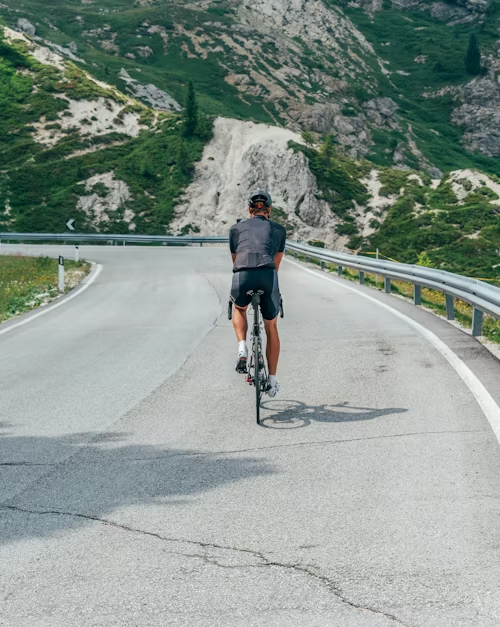
8.3 Cycling
Cool air improves cycling performance.
Key tips:
- Wear wind-resistant gear
- Use clear or lightly tinted eyewear
- Keep hands warm with gloves
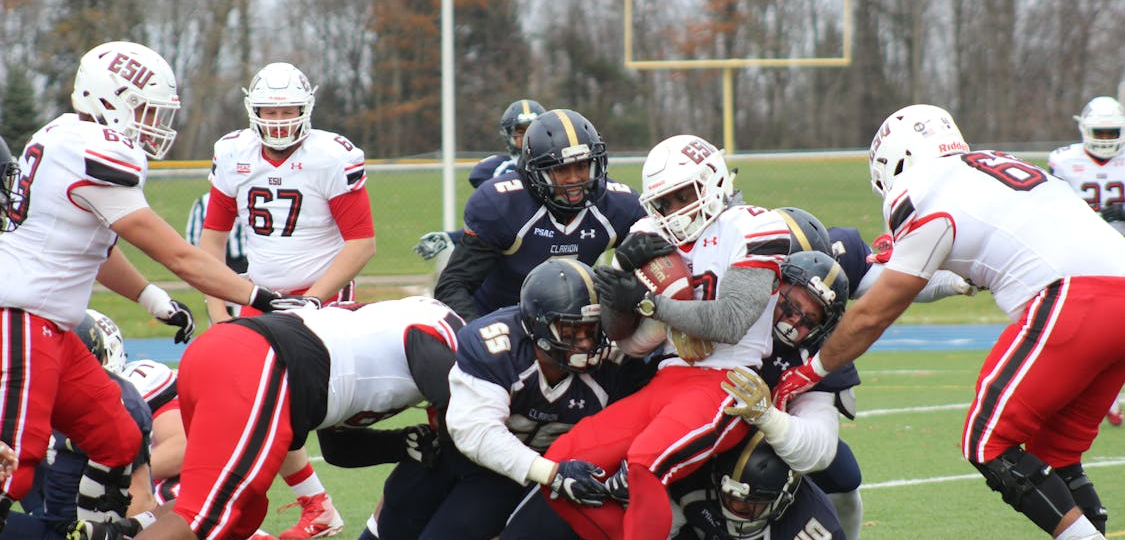
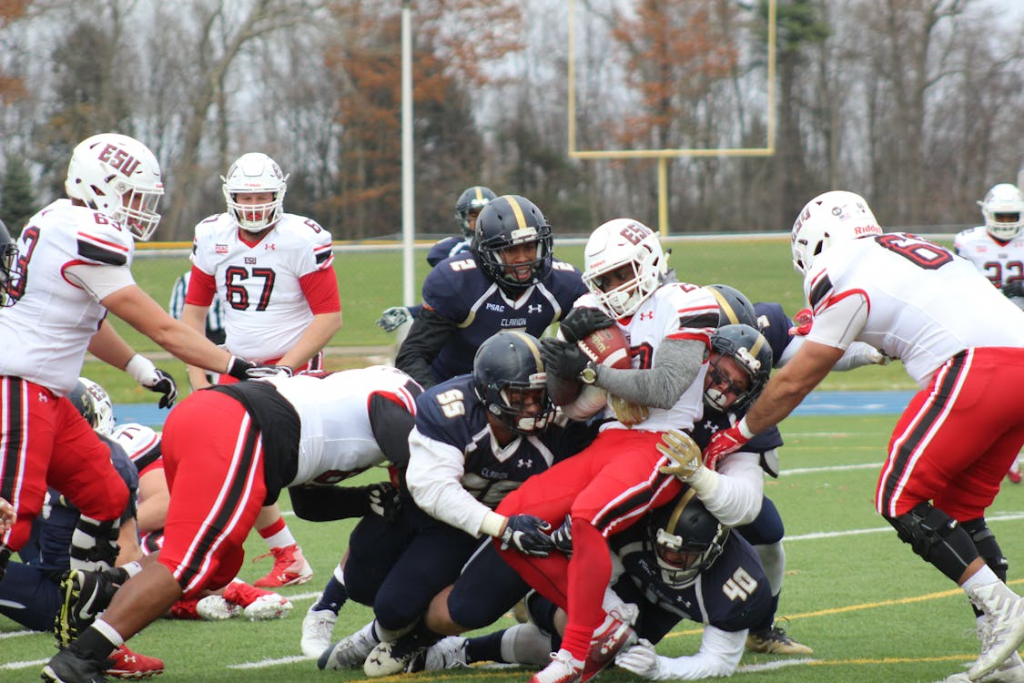
8.4 Outdoor Fitness and Team Sports
Sports like soccer, football, and outdoor training thrive in fall.
Best practices:
- Schedule warm-ups carefully
- Monitor body temperature
- Ensure proper hydration breaks
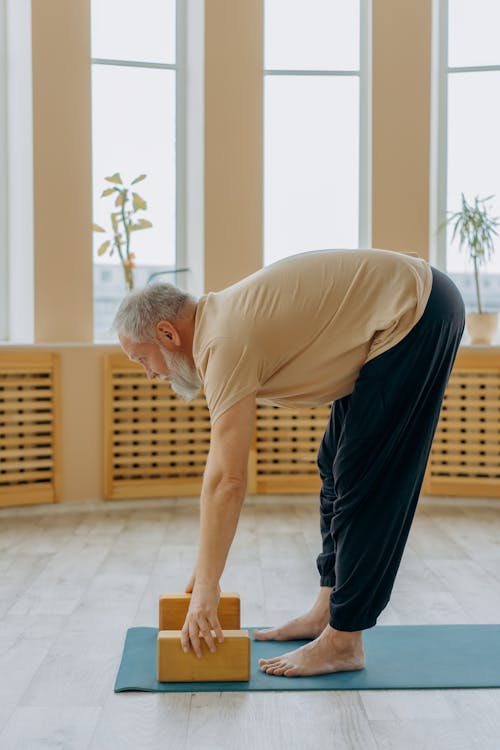
9. Importance of Warm-Up and Cool-Down
Cooler muscles are more prone to injury.
Effective Warm-Up Includes:
- Light cardio
- Dynamic stretching
- Gradual intensity increase
Cool-Down Benefits:
- Prevents stiffness
- Aids recovery
- Reduces muscle soreness
Never skip these steps in autumn workouts.
10. Mental Benefits of Autumn Exercise
Autumn sports offer powerful mental health benefits.
- Reduced stress
- Improved mood
- Enhanced focus
- Seasonal motivation
Exercising outdoors during fall can help combat seasonal mood changes and boost overall well-being.
11. Building a Consistent Autumn Fitness Routine
Autumn is the perfect season to establish habits that carry into winter.
Tips for consistency:
- Set realistic goals
- Prepare gear in advance
- Track progress
- Stay flexible with weather changes

Consistency now makes it easier to stay active year-round.
Autumn provides an ideal balance of comfort, beauty, and opportunity for physical activity. While cooler temperatures and scenic landscapes make fall sports enjoyable, they also introduce new challenges such as changing weather, reduced daylight, and slippery conditions.
By dressing appropriately, staying hydrated, adjusting training intensity, and using the right equipment, you can enjoy all the benefits of autumn exercise while minimizing risks. Whether you are running through colorful trails, cycling in crisp air, or training outdoors, preparation is the key to a safe and rewarding fall fitness season.
Embrace the energy of autumn, stay mindful of your body, and make this season one of growth, health, and enjoyment.